Launched 4 May 2026  ·  A NEHHDC initiative under the Ministry of DoNER, Government of India
A Union of Two Indian Silks

Where the
Northeast
meets Chanderi

Padma Doree is not simply a garment. It is a conversation between the Eri silk of Assam and the luminous handlooms of Chanderi in Madhya Pradesh, two traditions brought into a single cloth for the very first time.

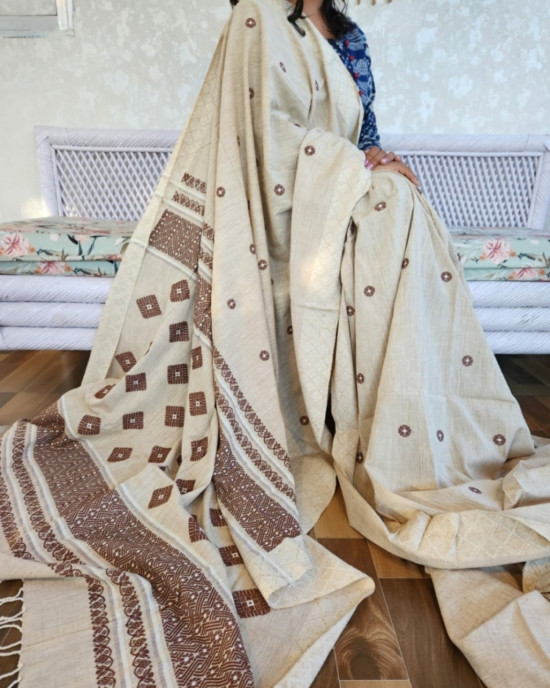
Autumn Haze Eri silk saree
Scroll
2
Heritage Traditions
2
GI Protected Crafts
0
Synthetic Fibres
100%
Made in India
The Genesis

A fabric born
from vision

India holds within it thousands of textile traditions, each rooted in a particular geography, climate, and community. For centuries they grew in parallel, celebrated locally, known regionally, and yet quietly invisible to one another.

Padma Doree changes that. Launched by NEHHDC under the Ministry of DoNER, it is a deliberate act of cultural convergence. The Eri silk of Northeast India, wild, peace spun, worn by communities for generations, is united with the gossamer Chanderi weave of Madhya Pradesh, a fabric once described as woven air and reserved for royal courts.

"True luxury lies in recognising the effort behind the cloth."
An Integrated Ecosystem

Not a product.
A platform.

Padma Doree is conceived as a living ecosystem rather than a single line of cloth. Artisans from the Northeast and from Madhya Pradesh co-create each piece, with their craft and community held at the centre of the work, not hidden behind it.

It is built on the belief that a textile can carry fair compensation, sustainability, and provenance in equal measure. Every length of cloth becomes proof that luxury can be designed, produced, and experienced entirely within India.
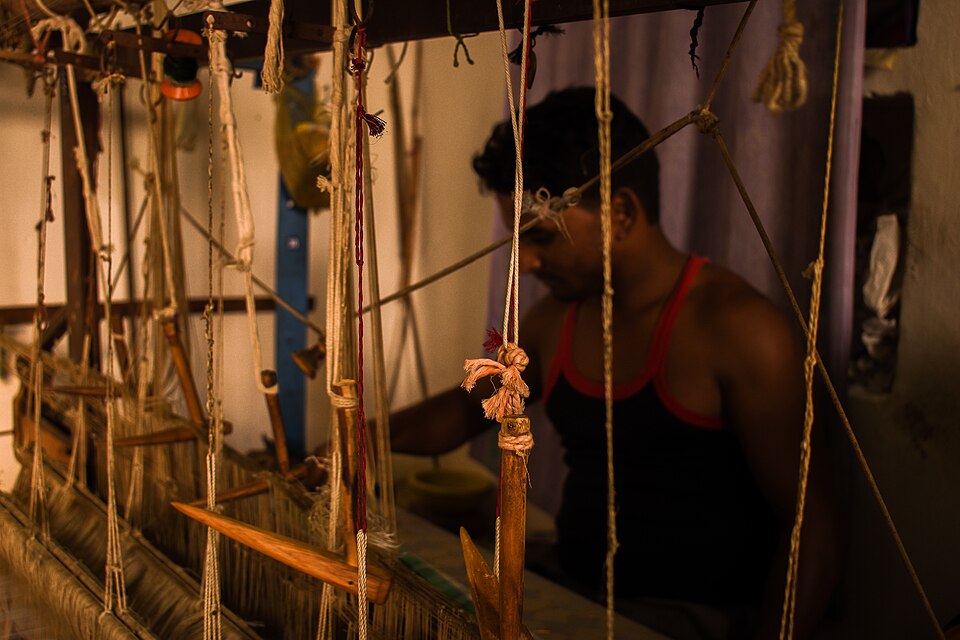
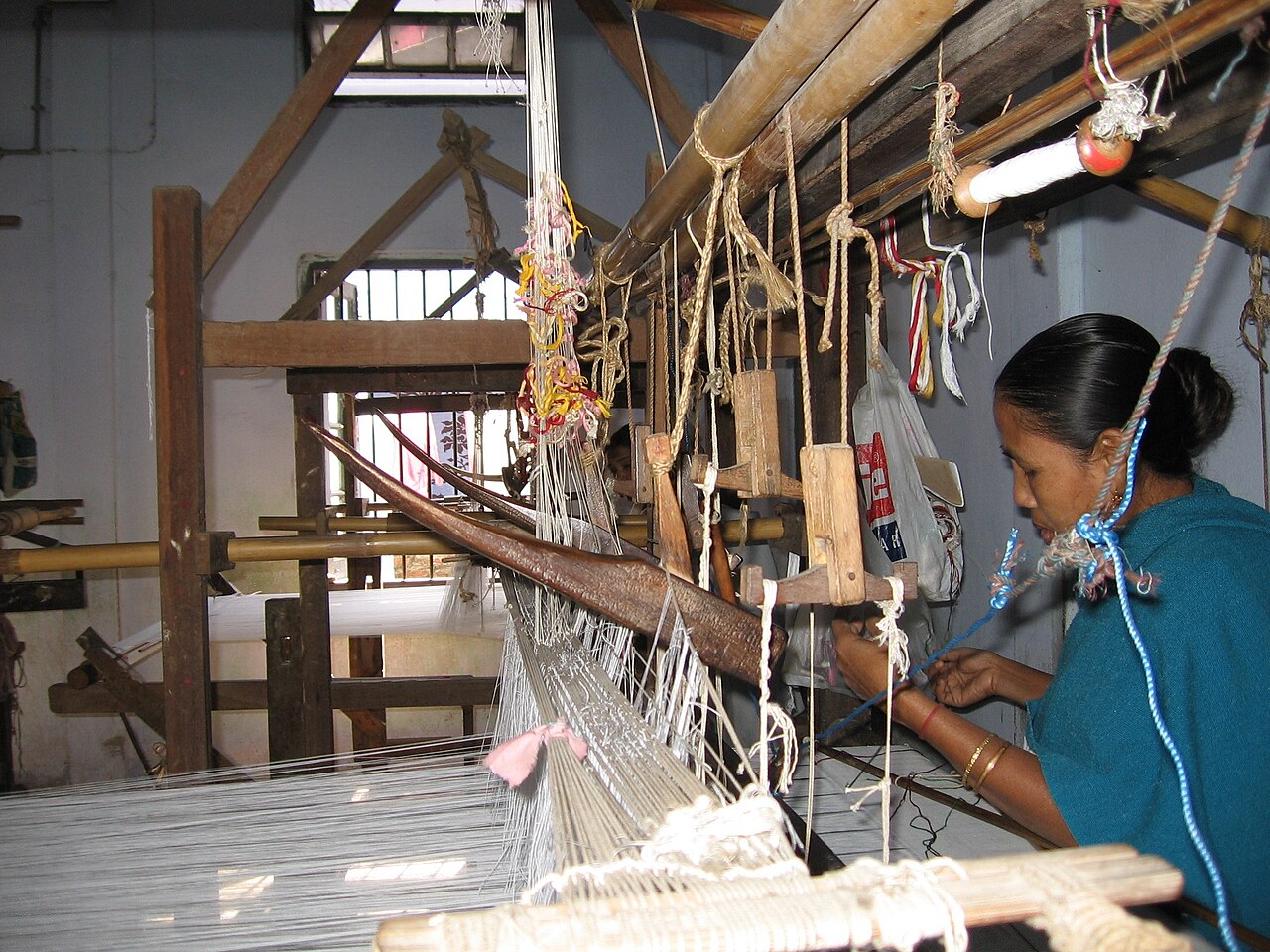
On the Loom

"A single thread, passed by hand ten thousand times, becomes a cloth that outlives the hand that made it."

Handloom Weaving · India
Padma Doree
Padma
The lotus. A symbol of purity that rises, unstained, from still water. India's enduring emblem of grace.
Doree
The thread, the cord, the line that binds. The single strand through which two distant traditions are joined.

A name for a cloth that joins two geographies into one continuous thread, carrying the dignity of every hand that touches it.

Two Geographies, One Cloth

The thread map
of Padma Doree

01
Northeast India

Eri Silk

Spun in the hills of Assam and across the Northeast. Known as the peace silk, it is harvested without harming the silkworm, and has clothed local communities for generations.

Ahimsa process, with no boiling of living cocoons
Warm, matte, cotton like hand, rare among silks
A GI tagged cultural heritage of the Northeast
Reared largely by tribal women artisans
×
Union
02
Madhya Pradesh

Chanderi Weave

From the ancient town of Chanderi, a silk and cotton fabric so fine it was described as woven air. Worn by royalty for centuries and protected today as a Geographical Indication.

Semi transparent, luminous, hand woven fabric
Centuries of continuous weaving tradition
GI protected by the Government of India
Distinguished by fine gold and silver zari
Understand the Cloth

Learn what makes
it extraordinary

Padma Doree rewards those who look closely. Before you choose a piece, it is worth understanding the fibre, the weave, and the union that brings them together.

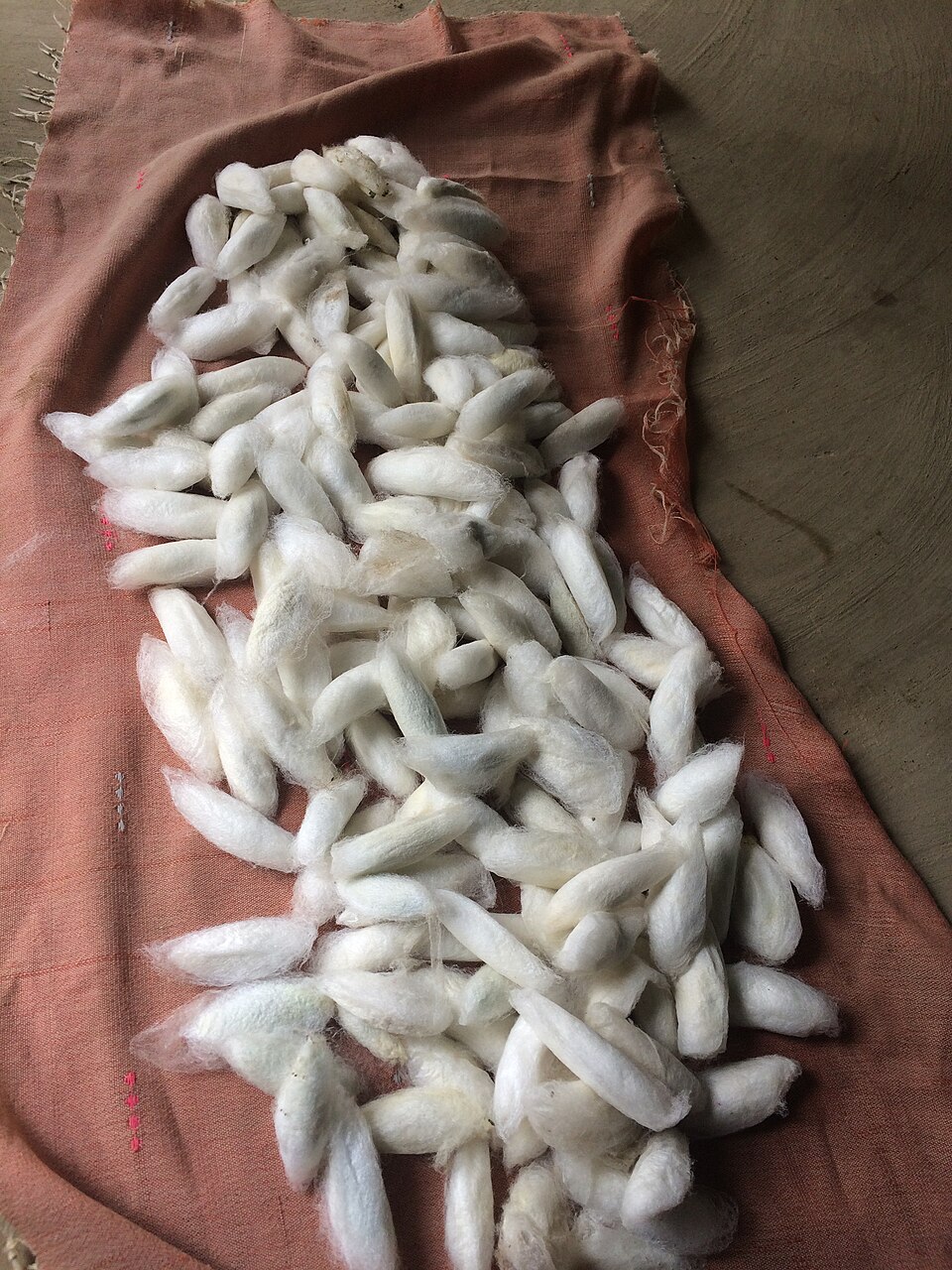
Eri silk cocoons
Eri Cocoon · Open Ended
01 · The Fibre

Eri, the peace silk of the Northeast

Most silk in the world is reeled from cocoons while the pupa is still inside. Eri silk is different. The Samia ricini moth is allowed to emerge naturally, and only then is the open cocoon spun into yarn. Nothing is killed for the cloth to exist.

Because the fibre is spun rather than reeled, Eri has a warm, soft, almost cotton like hand. It is matte where other silks shine, breathable in heat and insulating in cold, and it grows more beautiful with age and washing.

Ahimsa Spun Breathable Naturally Warm
Silk weaver at a loom in Chanderi
Chanderi · Warp and Weft
02 · The Weave

Chanderi, the cloth they called woven air

In the town of Chanderi, weavers have refined a single craft for centuries. Their fabric is famously sheer and weightless, with a glassy transparency that catches light without ever feeling fragile. Court chronicles described it as air that had been woven into cloth.

Each piece is made on a traditional pit loom, thread by thread, with fine zari worked into the body. A single length can take a weaver many days to complete. There are no power looms here, and no shortcuts that would betray the hand of the maker.

Hand Woven Sheer and Luminous Zari Detailing
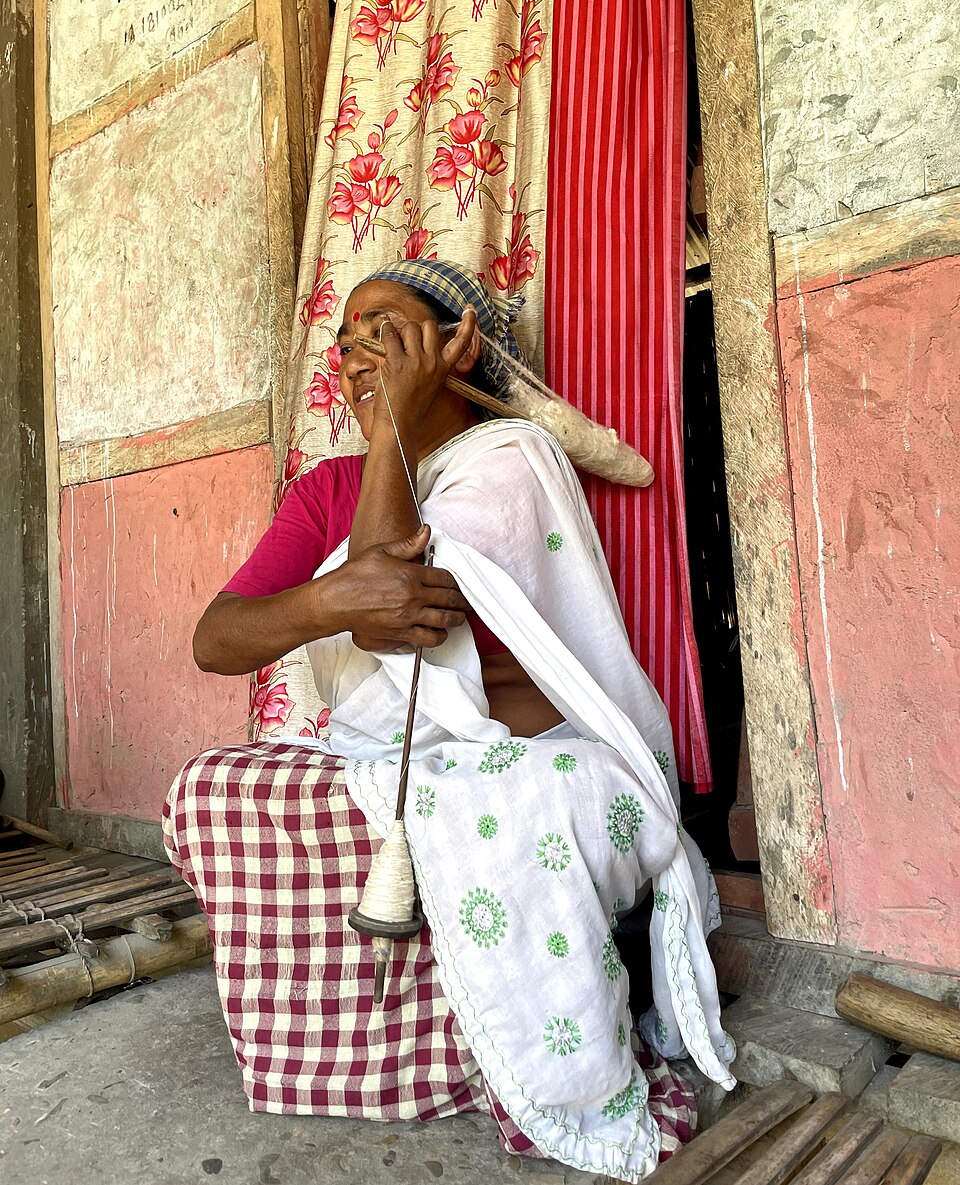
union Artisan weaving on a traditional handloom
Two Yarns · One Loom
03 · The Union

Two traditions that had never met

Eri yarn from the Northeast is carried across the country to Chanderi, where master weavers set it into a warp of fine silk and cotton. The warm, textured Eri and the cool, luminous Chanderi were never designed to live in the same cloth, and that is precisely the point.

The result is a fabric with the soul of two regions, the depth and warmth of the hills meeting the light and grace of the plains. Padma Doree is the first textile to unite these two Geographical Indication traditions into a single, traceable cloth.

Inter State Craft First of its Kind Fully Traceable
Inaugural Collection

Draped in
provenance

Request the Full Lookbook
Why Padma Doree

A cloth with
a conscience

Every thread carries centuries of knowledge. Here is why it matters, and why it is unlike anything you have worn before.

01
The Ahimsa Process

Eri silk is among the few silks in the world harvested without killing the silkworm. The cocoon is opened only after the moth has emerged on its own. This is why it is called peace silk, and why its texture is unlike any other silk on earth.

02
Chanderi, Woven Air

The town of Chanderi has been weaving for centuries. The fabric is so light and semi transparent that early texts described it as woven air. Each piece is built slowly, by hand, on a traditional pit loom.

03
Fair Artisan Income

There are no anonymous supply chains here. Every Padma Doree piece is made by named artisans whose communities and fair compensation sit at the heart of the platform. This is luxury you can trace to a person.

04
Government Provenance

Padma Doree is developed by NEHHDC under the Ministry of Development of North Eastern Region. Your purchase is not only a luxury acquisition, it is participation in a national craft conservation effort.

05
Two GI Traditions

Both Eri silk and Chanderi cloth hold Geographical Indication tags, India's mark of craft authenticity. Padma Doree is the first fabric to unite two GI protected traditions into a single woven cloth.

06
Made to be Inherited

Padma Doree is positioned as Indian indigenous luxury, not fashion cycle merchandise. Each piece is designed to be passed on. The investment is not in a garment, but in a cultural artifact that deepens with time.

The Making

From silkworm
to ceremony

Every Padma Doree piece travels across two states and through several skilled hands before it reaches you. This is the journey of the cloth, made visible, traceable, and worthy of celebration.

I
Eri Rearing, Northeast India

Artisans rear Samia ricini silkworms on castor leaves. The cocoons are left for the moth to emerge, with no killing and no compromise.

II
Hand Reeling and Spinning

The open cocoons are hand spun on traditional taklis into a thick, warm yarn unlike any other silk, staple spun rather than filament reeled.

III
Warp Preparation, Chanderi

The Eri yarn arrives in Chanderi, where master weavers set the loom warp with fine silk and cotton, a technical marriage of two traditions.

IV
Hand Weaving on a Pit Loom

The cloth is woven thread by thread on a traditional pit loom, many days for a single sari. No power loom, and no shortcuts.

V
Certification and Dispatch

Each piece is documented with artisan name, community, date, and loom number, then issued a signed certificate of provenance before it ships.

Hand spinning silk yarn into thread
Certificate of Provenance
Padma Doree
No. PD-2026-0047
Silk Origin
Assam, Northeast India
Eri Artisan
Reared in the Northeast
Woven At
Chanderi, Madhya Pradesh
Loom Type
Traditional Pit Loom
Days to Complete
14 Days
NEHHDC · Ministry of DoNER · Govt. of India
The Hands Behind the Cloth

Craft carried by people,
not factories

Padma Doree was launched as a celebration of the artisans and communities who make it possible, with their names and regions held in the foreground.

E
The Eri Spinners
Northeast India

"We do not take a life to make the thread. The moth leaves first, and only then do we begin to spin."

C
The Chanderi Weavers
Madhya Pradesh

"A single sari can hold two weeks of our days. The loom remembers every thread that passes through it."

P
The Performers
Meghalaya & Madhya Pradesh

"At the launch, music and movement from both regions met on one stage, the way the two silks meet in one cloth."

The Launch

A platform unveiled
over three days

Padma Doree was introduced to the world on 4 May 2026 as an interactive, three day exhibition rather than a single ceremony. Visitors could follow the cloth from fibre to finished textile, and meet the regions behind it through craft, performance, and cuisine.

Performances by Na U Bnai from Meghalaya and Yash Devle from Madhya Pradesh shared the stage, while chefs Kashmiri Nath and Lin Laishram brought the flavours of both regions to the table. The result was a portrait of two geographies, joined for the first time.

Launched
4 May 2026
Three day interactive exhibition
Presented By
NEHHDC
Under the Ministry of DoNER
Performance
Na U Bnai & Yash Devle
Meghalaya and Madhya Pradesh
Cuisine
Nath & Laishram
Regional flavours from both states
The Making

"Luxury here is measured not in haste, but in hours, and in the dignity of every hand it passes through."

From Fibre to Finished Cloth

Padma Doree brings together the fibre traditions of the North East and the handloom heritage of Chanderi, creating an integrated and sustainable textile ecosystem.

Mara Kocho
Managing Director, NEHHDC

It reflects a strong inter state collaboration that blends tradition with innovation.

Niraj Kumar
Joint Secretary, Ministry of DoNER
Before You Choose

Questions, answered

Padma Doree is a sustainable Indian textile platform that unites the Eri silk of Northeast India with the Chanderi handloom of Madhya Pradesh. It was launched by NEHHDC under the Ministry of DoNER as an integrated ecosystem of fibre, weave, and fair artisan livelihood, rather than a single product line.

In conventional silk production the pupa is killed inside the cocoon so the filament can be reeled in one piece. With Eri silk the moth is allowed to emerge naturally, and the open cocoon is then spun into yarn. Because no silkworm is killed for the cloth, Eri is widely known as peace silk, or ahimsa silk.

It carries the soul of two regions in a single cloth. Eri lends a warm, matte, softly textured hand, while Chanderi brings a sheer, luminous lightness. Together they create a fabric that is breathable, characterful, and entirely hand made, with both traditions protected as Geographical Indications.

Yes. Each piece is documented with details such as origin, loom type, and time taken, then issued a signed certificate of provenance. The platform is built so that fair artisan compensation and traceability travel with the cloth itself.

Treat each piece as an heirloom. Dry clean for festive and zari work pieces, or hand wash plain Eri gently in cool water with a mild detergent. Dry away from direct sun, store folded in breathable cotton or muslin, and avoid prolonged contact with perfume and moisture.

Padma Doree is presented by the North Eastern Handicrafts and Handlooms Development Corporation, NEHHDC, under the Ministry of Development of North Eastern Region, Government of India. It was launched on 4 May 2026 as a celebration of inter state craft collaboration.

Stay Close

Letters from the loom

Dispatches on craft, artisan stories, and new pieces, written by the people who make them. No noise, only what matters.

We never sell your data. Unsubscribe at any moment.